

A guest steps into the light. The camera makes its move. On playback, there is a beautifully slow turn, a confident expression and a backdrop carrying the campaign. The useful creative question is whether those elements say the same thing.
For an agency planning a Las Vegas brand activation, the robot is one part of that decision. The guest needs an action they can understand, the camera needs a reason to move, and the finished clip needs to belong to the event. Choose that shared intention before asking for a more elaborate path.
Cinebot Vegas describes its Glambot event filming as a planned experience involving camera moves, hosting, editing and guest delivery. The production package and delivery arrangements are agreed for each event. That leaves room for a specific creative brief rather than an assumption that every activation should produce the same shot.
Start with what the guest should express
Imagine a hypothetical Las Vegas launch for a fashion brand built around bold colour and individual expression. This is an invented brief, not a Cinebot Vegas client project. The team could ask guests to turn toward the camera and hold an expression that feels like their own version of the campaign.
That is a different intention from asking everyone to perform a complicated sequence. A guest who has just arrived at an event may need a short, understandable prompt. The creative team should decide what matters most: a confident look, a playful response or a shared moment between people. Trying to communicate all three can make the direction harder to follow.
Write the intended feeling in ordinary language. Then ask whether the proposed action actually makes it visible. “Make it cinematic” leaves the host and camera crew to interpret the brief separately. “Let the guest settle into a confident final look” gives them something concrete to discuss.
Give the camera a role in that moment
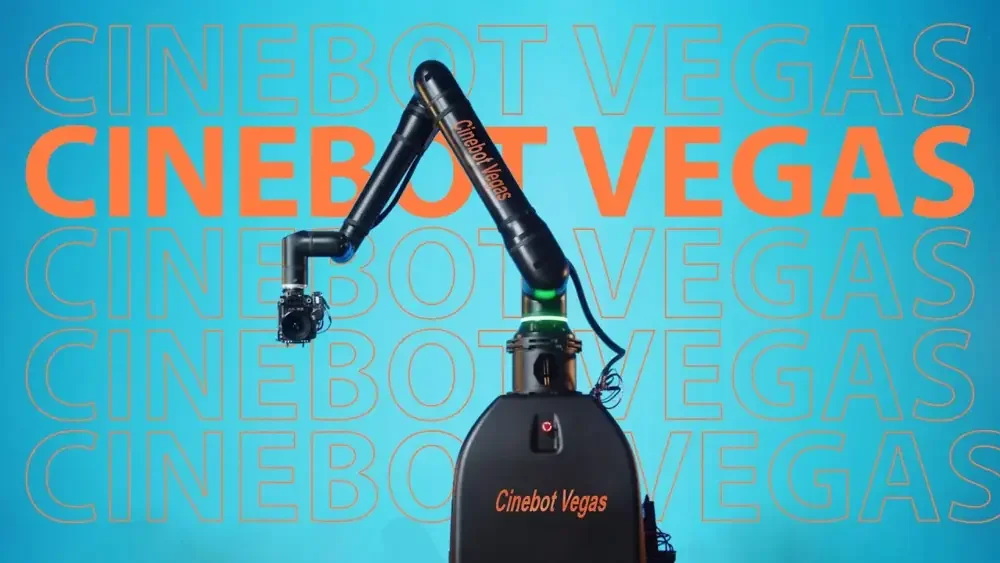
The camera path should support the participant's action. In the imagined fashion activation, a move might build toward the guest's final expression rather than compete with it. The crew can assess the proposed relationship between framing, timing and the person's position before agreeing what is feasible.
Slow motion also asks the team to think about how an ordinary gesture will read when extended on screen. A small change in expression may carry the idea better than several unrelated actions. Review a representative test clip instead of judging the concept only from an explanation of the robot's movement.
Keep guest direction within the production team's agreed plan. A creative reference is useful for explaining the feeling; it is not an instruction for guests to improvise around moving equipment. The crew determines the operating area and approved movements for the actual venue and setup.
Make the brand part of the image
Branding deserves a composition discussion, not just a logo file sent at the end. Ask where the campaign should appear while the guest remains the subject. A backdrop, colour treatment or agreed graphic treatment can each serve a different purpose, depending on what is included in the production.
For the hypothetical launch, a strong campaign colour behind the guest might establish the event immediately. Adding several competing messages could weaken the expression the shot was designed to capture. Review the person and the branding together at the size and shape of the intended finished video.
Las Vegas events often sit within a larger programme of launches, hospitality or conference activity. Decide whether the clip needs to identify the specific occasion or simply carry the campaign's visual character. That choice should guide the background and finishing conversation. It should not be left for the editor to infer after filming.
Review the prompt as carefully as the move
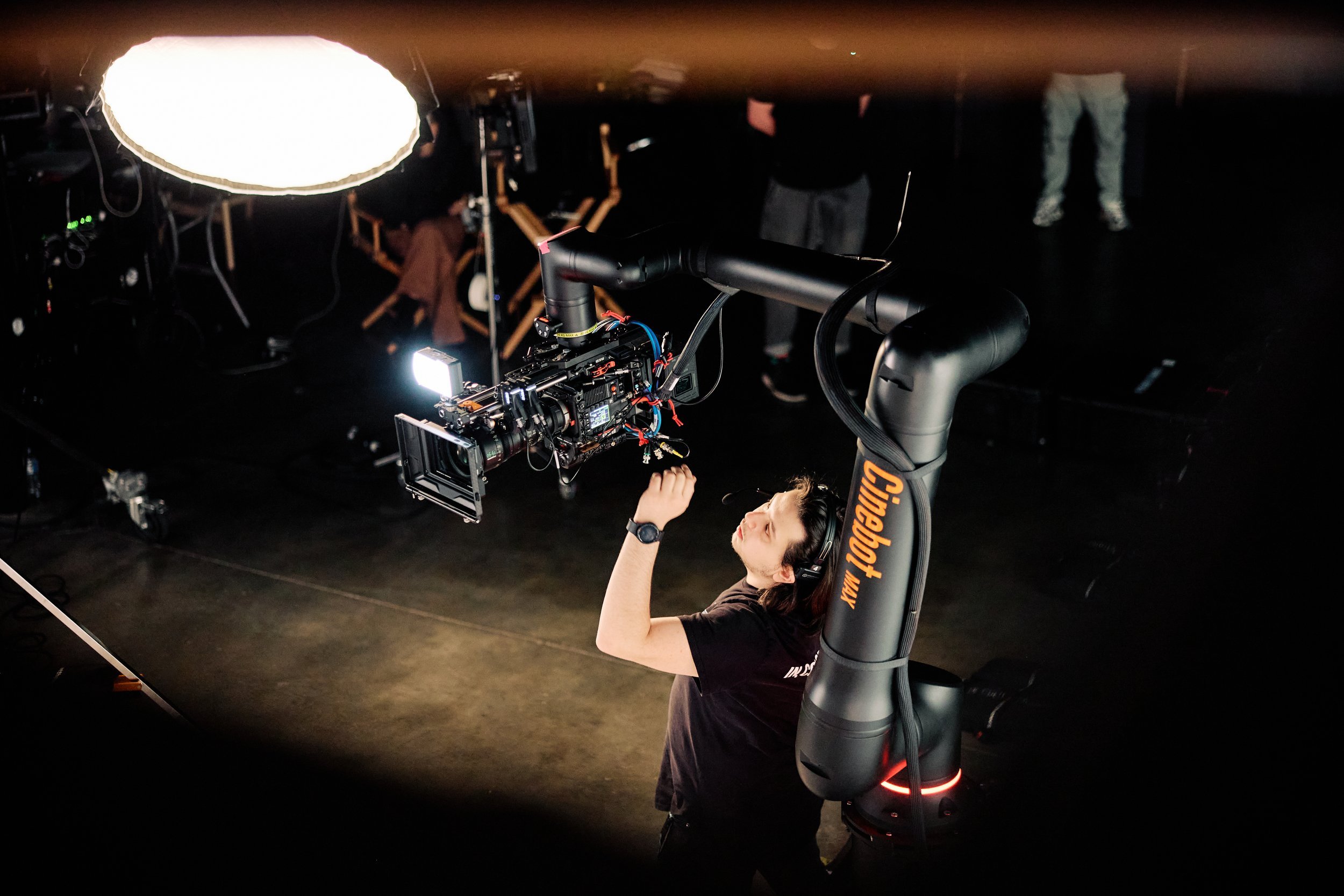
Commercial production photograph: Sean Jorgensen. This image illustrates crew preparation, not the hypothetical activation.
Before approving the concept, ask someone unfamiliar with the creative discussion to hear the proposed prompt. Can they explain what they would do? Does the direction allow a natural response? The purpose is to test clarity, not to claim that one rehearsal predicts every guest's behaviour.
Watch the resulting clip with the host, creative lead and camera team. If the gesture feels rushed, discuss the action and cue before requesting another camera move. If the branding disappears at the key moment, discuss the composition. Each revision should answer a visible problem.
Keep the acceptance questions simple: can the guest understand the action, does the camera support it, and does the finished image carry the intended brand feeling? A more complex move is useful only when it improves those answers.
Agree what guests will receive
A strong capture still needs a clear finishing and delivery plan. Confirm the intended video format, brand treatment, approval contact and guest delivery method with the team before the event. Connectivity, privacy requirements and the selected package can affect how delivery works. Avoid promising an instant result before those arrangements are agreed.
The same creative discipline applies across Cinebot Vegas's broader commercial work. Its owner-confirmed Cinebot Max setup includes over 20 feet of track for large-scale studio and location productions. That capability does not mean every Glambot event uses the same equipment configuration or footprint; confirm the event package separately.
Discuss your activation with Cinebot Vegas. Bring the feeling the guest should express, the campaign detail the image should carry and an example of the finished clip you want to review. Those choices give the technical conversation a clear creative purpose.
Original company website photos reused without AI alteration. Cinebot Vegas confirmed ownership of the Glambot images and requires no credit for them. The commercial production photograph is credited separately. The fashion launch is hypothetical; these photographs do not depict that campaign.